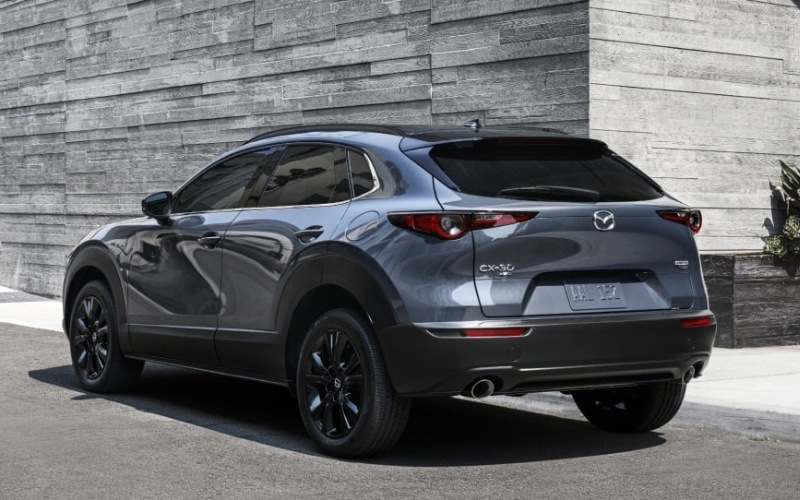
CardinaleWay Mazda Peoria - Mazda Named Safest Car Brand by Consumer Reports — What It Means for Drivers near Phoenix, AZ
Consumer Reports has released a comprehensive Safety Verdict across today’s automakers, and Mazda sits at the very top tier. That recognition matters for anyone comparing SUVs, sedans, and crossovers around the Valley, because CR’s verdict isn’t a simple trophy. It blends real crash-test results, braking and emergency handling performance, and whether crucial crash-avoidance tech is standard across model lines. In other words, it evaluates how well a vehicle can help you avoid a collision and how well it protects you if one happens.
Here’s the backbone of the Safety Verdict. CR groups vehicles into Basic, Better, and Best, based on whether they meet federal standards, deliver strong road-test performance, and include safety tech that should be standard on every trim. To reach the top, models need predictable handling and braking, well-executed occupant protection in IIHS tests, and standard features like automatic emergency braking at highway speeds, blind spot warning, and rear cross traffic warning. CR also dings vehicles with overly distracting controls, because safety isn’t only about airbags and steel — it’s also about keeping your eyes up and attention on the road.
So why does Mazda rise to the top in CR’s analysis? It starts with fundamentals: crisp, confidence-inspiring handling, consistent braking, and designs that fare well in IIHS side and front crash evaluations. Then add the fact that key driver assistance features are widely standard, not tucked behind expensive packages. Many modern Mazda models include automatic emergency braking with pedestrian detection, highway-speed AEB, blind spot warning, and rear cross traffic warning from the start. Combine that with straightforward controls that make vital tasks simple, and you get a lineup built to help drivers avoid trouble — and shield occupants when the unexpected happens.
That approach fits life near Phoenix especially well. Local freeway patterns — tight entrance ramps on Loop 101, quick merges off I-17, and variable speeds on the 51 — reward vehicles that brake predictably and track true when you need to change lanes quickly. During dust storms and monsoon downpours, technologies such as forward collision warning, adaptive cruise with stop-and-go, and lane-keeping support can reduce the workload when visibility drops and traffic compresses. Even on a clear, heat-glazed afternoon westbound on Bell Road, rear cross traffic warning eases backing out from crowded plazas, and blind spot warning helps with multilane transitions where fast-moving traffic can sit just out of view.
CR’s verdict also highlights an underappreciated factor: driver distraction. Some vehicles bury climate or wiper functions behind multiple screen taps. Mazda tends to keep frequently used controls intuitive, which meshes with a safety-first mindset. When hands, eyes, and attention stay where they belong, the advanced safety systems can be additive rather than compensating for confusing interfaces. That balance — intuitive controls plus robust assistance features — is a big reason Mazda shines in CR’s methodology.
At CardinaleWay Mazda Peoria, we see those benefits show up in everyday test drives. When drivers experience firm, linear pedal feel on an emergency stop, a gentle but clear nudge from lane-keeping support on the 101, or an early alert from blind spot warning as traffic rushes by, the value clicks. Our product specialists can walk you through each feature, help you tailor alert strengths and sensitivities, and explain which settings make the most sense for your commute — whether that’s downtown, Arrowhead, or cross-Valley on the 202.
To make the main takeaways from Consumer Reports crystal clear, keep these points in mind as you shop:
- Mazda’s top-tier showing combines crash-test strength with confident braking and handling.
- Key crash-avoidance features are widely standard across trims, not just on the highest packages.
- Usability matters — simple, intuitive controls help you focus on driving, which is a safety win on its own.
- Balanced vehicle size and tuning can help you avoid incidents that bulkier, slower-stopping vehicles may not.
Real-world readiness is also about maintenance and calibration. Advanced safety sensors rely on healthy tires, brakes within spec, correct windshield glass, and precise camera/radar alignment after repairs. Phoenix-area driving can mean chipped windshields from freeway debris and higher brake and tire temperatures in summer. If you replace a windshield or bumper cover, proper recalibration ensures features like AEB, lane-keeping support, and adaptive cruise operate as designed. Our service team can perform the required checks so your assistance systems remain trustworthy mile after mile.
CR’s ranking doesn’t say SUVs or trucks are unsafe — it says the best protection blends avoidance and protection, plus ease of use. Some very large vehicles can require longer stopping distances and may not feel as settled in sudden maneuvers. Mazda’s tuning philosophy prioritizes balanced dynamics so you can steer or brake out of trouble before impact. It’s the difference between relying only on airbags versus building in the agility to miss the obstacle in the first place.
Local buyers often ask about traction. Even when roads are dry, the Phoenix metro can throw curveballs — sudden summer downpours, dusty intersections after a haboob, or slick pavement from oil and rubber on a scorching afternoon. Mazda’s available i-Activ AWD and sophisticated stability management work with those standard driver assistance features to help with confident takeoffs, lane changes, and controlled braking when grip varies. The goal isn’t off-roading; it’s sure-footed everyday driving across the Loop 101, US 60, and surface streets from Glendale to East Valley neighborhoods.
Shopping tip: when you test drive, simulate your commute. Try a brisk but safe stop on a quiet stretch. Merge twice onto a busy artery to feel the power delivery and steering precision. Back out of a parking spot with cars flanking both sides to experience rear cross traffic warning. Ask a specialist to demonstrate—and then disable and re-enable—alerts so you can feel how customization changes the drive. The best tech is the tech you’re comfortable using.
We’re here to help you choose the right fit and to keep your vehicle’s safety systems operating exactly as engineered. From test-drive tutorials to service calibrations after bodywork or windshield replacement, our goal is straightforward — deliver confidence every time you start the engine. Our team is here, serving Tucson, Deer Valley, and Chandler, with the same commitment to clarity, quality, and follow-through you’ll feel on your first visit.
Frequently Asked Questions:
What is Consumer Reports’ Safety Verdict and how is it different from crash-test scores?
CR’s Safety Verdict blends multiple factors: crash-test performance, braking and emergency handling road tests, and whether essential crash-avoidance features are standard across trims. It also considers usability, because distracting controls undermine safety. Traditional crash tests focus on how a vehicle protects you in a collision; CR’s verdict adds how well the vehicle helps you avoid the collision in the first place and how easily you can use the controls while driving.
Which standard features help Mazda earn a top spot?
The big ones include automatic emergency braking — including highway-speed capability — blind spot warning, and rear cross traffic warning, along with solid braking and handling performance in CR’s evaluations. Many Mazda models also perform strongly in IIHS side and front crash tests, rounding out protection if an accident occurs.
Does the Safety Verdict address driver distraction?
Yes. CR reduces scores for vehicles with confusing or overly screen-dependent controls. Intuitive, easy-to-reach controls help keep your focus on the road, which supports the effectiveness of advanced driver assistance systems. Mazda’s cabin layouts emphasize simplicity, which aligns with CR’s safety-forward view of usability.
How does this ranking translate to daily driving near Phoenix?
It shows up where it matters most — in quick stops and confident lane changes on the 101, early warnings when a car sits in your blind spot, and steady assistance during low-visibility moments like dust bursts or heavy rain. The combination of active safety tech and composed handling helps you avoid trouble in high-speed, high-density Valley traffic.
What should I do after a windshield or bumper repair to keep safety systems accurate?
Schedule a post-repair calibration. Cameras and radar units behind the windshield or fascia require precise alignment to function properly. Without calibration, features like AEB or lane-keeping may underperform or trigger false alerts. Our service team can verify and recalibrate sensors to factory specifications.
Mazda’s position at the top of Consumer Reports’ Safety Verdict underscores a simple truth — safety is a system, not a single feature. It’s the blend of predictable dynamics, robust crash protection, standard driver assistance, and usability that keeps drivers confident on Phoenix-area roads. When you’re ready to experience those qualities firsthand, visit our showroom for a tailored demonstration and a test drive that mirrors your daily routes. We’ll help you understand what the Safety Verdict means on the road you drive every day — and why it should be a core factor in your next-vehicle decision.